


Why Early Myopia Management Matters For Long-Term Vision
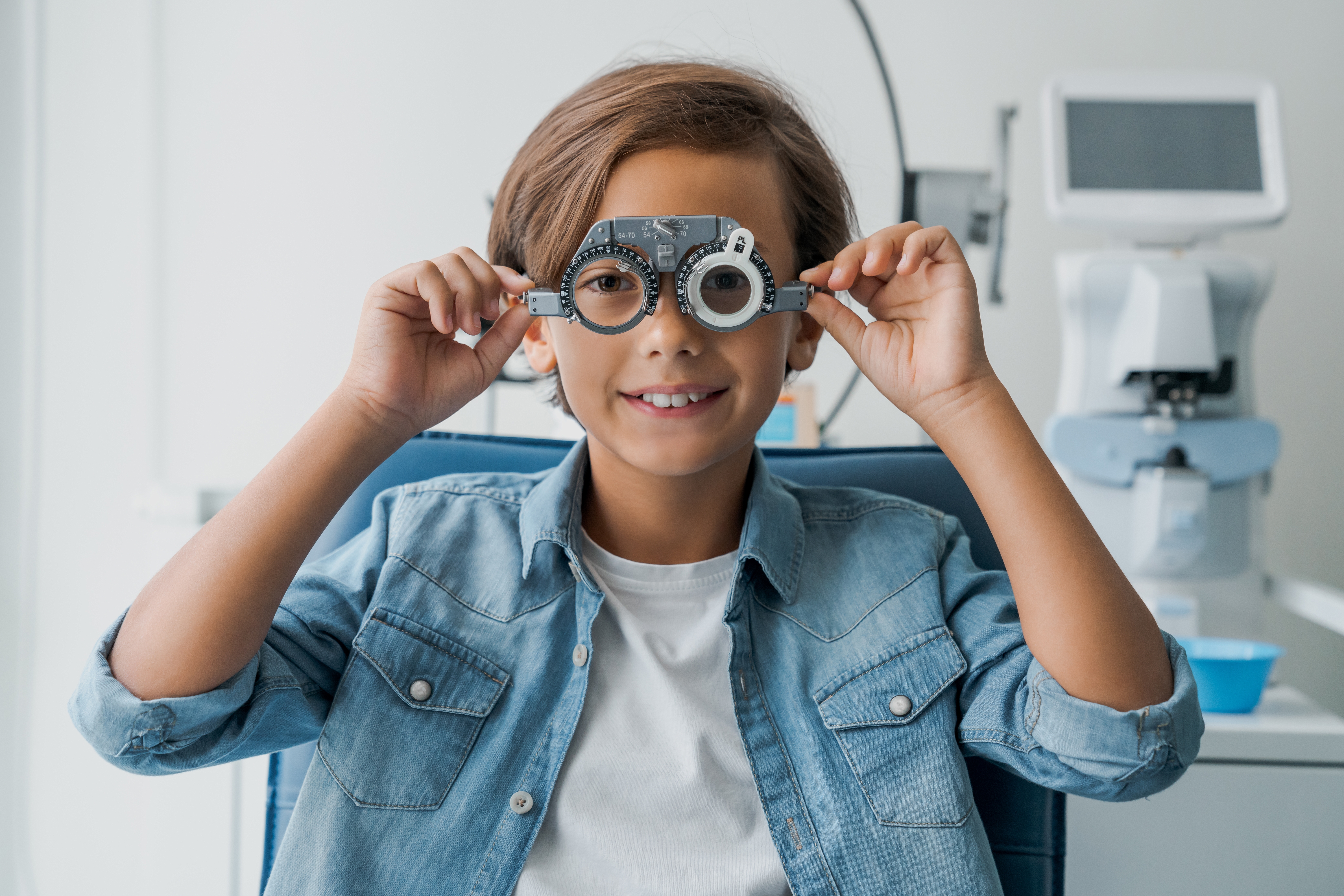
Myopia, or nearsightedness, often begins in childhood and can progress as the eyes continue to grow. While glasses or contact lenses can help a child see clearly, early myopia management focuses on slowing that progression over time. At Everglades Eye Care in Naples, FL, we help families understand their options and choose a plan that supports long-term vision health.
Myopia Can Progress Quickly In Children
Childhood myopia is more than a changing glasses prescription. When nearsightedness progresses, the eye may become longer than normal, which can increase the risk of certain eye health concerns later in life. Starting care early gives us a better opportunity to monitor changes and recommend treatment before myopia advances further.
What Parents Can Watch For At Home
Parents often notice myopia symptoms before a child mentions them. A child may squint, move closer to the TV, hold books or devices close to their face, or complain that the board at school looks blurry. Some children also experience headaches, eye strain, or frustration during reading and homework. If these signs appear, an eye exam can help determine whether myopia is developing or progressing.
Why Waiting Can Make Treatment Harder
Some parents wait until their child’s prescription changes several times before asking about myopia management. However, early intervention is often more effective because the goal is to slow progression while the eyes are still developing. If a child is squinting, sitting close to screens, struggling to see the board, or needing stronger prescriptions each year, it may be time to discuss myopia control.
Treatment Options for Myopia Management
Myopia management is personalized based on your child’s age, prescription, lifestyle, and eye health. Common treatment options may include:
- Atropine eyedrops to help slow myopia progression
- Ortho-k lenses worn overnight to gently reshape the cornea while your child sleeps
- Specialty contact lenses designed for myopia control
- Routine eye exams to track prescription and eye growth changes
How Ortho-K Can Help
Ortho-k, also called orthokeratology, uses specially designed lenses worn during sleep. These lenses temporarily reshape the front surface of the eye, allowing many children to see clearly during the day without glasses or daytime contacts. For the right candidate, ortho-k can also be part of a myopia management plan to help slow progression.
The Role of Atropine Eyedrops
Low-dose atropine eyedrops may be recommended for some children with progressing myopia. These drops are typically used consistently over time and monitored through follow-up visits. At Everglades Eye Care, we can evaluate whether atropine eyedrops are appropriate and explain how they may fit into your child’s overall treatment plan.
Monitoring Matters Over Time
Myopia management is not a one-time visit. Regular follow-ups allow us to measure changes, adjust treatment when needed, and make sure your child is seeing comfortably. With early care and consistent monitoring, families in Naples can take a more proactive approach to protecting long-term vision.
Help protect your child’s long-term vision - schedule a myopia management visit with Everglades Eye Care. Visit our office in Naples, Florida, or call (239) 374-2075 to book an appointment today.


Contact Info
Our Services
Hours of Operation
- Monday-Friday: 9:00am - 5:00pm
- Tuesdays: 10:00am - 6:00pm
- Saturdays: Two Saturday Mornings a Month
- Sunday: CLOSED
© 2025 Everglades Eye Care. All rights Reserved. Accessibility Statement - Privacy Policy - Sitemap
Powered by:
